The Complete Guide to Modern Digital Marketing (2026)
Digital marketing in 2026 is not about doing everything. It is about building the right system.
Many organizations still treat marketing like a series of separate tactics: a few social posts here, a paid campaign there, maybe a blog when time allows. The problem is that disconnected marketing rarely produces consistent growth. Modern digital marketing works best when every effort supports the next, creating momentum over time.
That means focusing on strategy, clarity, consistency, and measurement.
Start with a Marketing Flywheel, Not Random Activity
Strong marketing compounds. One good blog can become a social post, a short video, an email, a landing page section, and a sales talking point. One strong campaign can inform the next. This is the idea behind the marketing flywheel: repeatable actions that build momentum over time.
A modern flywheel usually includes:
- useful content
- audience engagement
- data review
- continuous improvement
- scaling what works
The goal is not constant motion for its own sake. The goal is to create a system where each marketing effort makes the next one more effective.
Authenticity Still Matters More Than Polish
Audiences are better than ever at spotting empty messaging. In a crowded market, authenticity is a real competitive advantage.
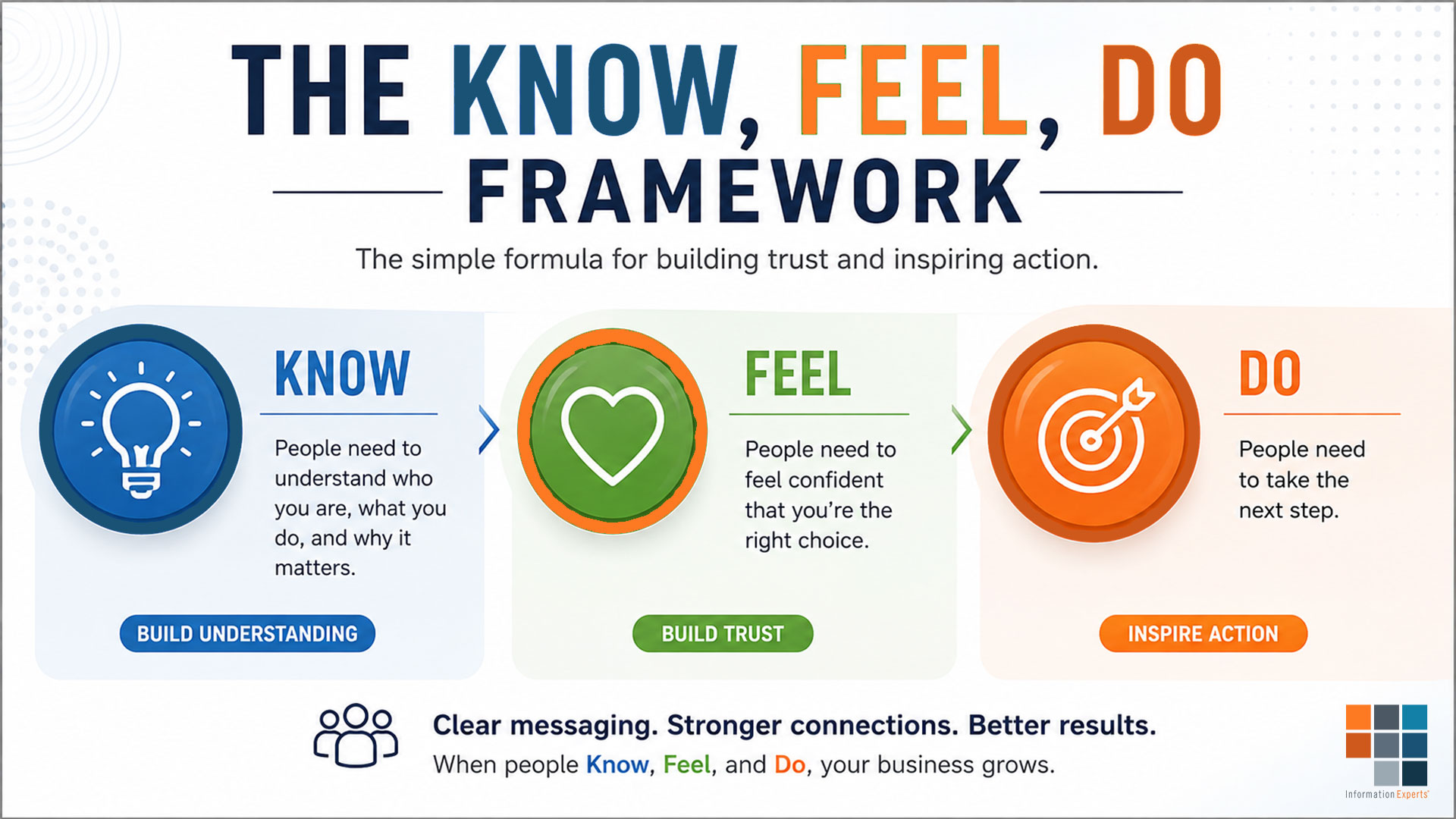
Authentic marketing means your messaging reflects who you are, what you do, and why it matters. It is built on:
- transparency
- consistency
- honesty
- relatability
- purpose
People want to work with organizations they trust. That trust is built when your website, content, emails, social presence, and sales messaging all feel aligned and believable.
Target the Right Audience with the Right Service
Generic marketing leads to generic results. Modern marketing works best when services are clearly positioned for specific audiences.
Instead of promoting everything to everyone, segment your services and speak directly to the needs of the people most likely to buy. That means understanding:
- who your ideal audience is
- what problems they are trying to solve
- which service is most relevant to them
- what message will resonate most
When your messaging becomes more targeted, your campaigns become more efficient, your leads become more qualified, and your conversion rates improve.
Organic SEO Builds Long-Term Visibility
Paid ads can create immediate traffic, but organic SEO builds long-term value.
When your site is structured well, your pages answer real questions, and your content aligns with what people are searching for, you create an asset that keeps working over time. Organic SEO helps improve:
- visibility in search
- credibility and trust
- user experience
- long-term traffic
- return on investment
Paid search still has a place, especially for campaigns and short-term opportunities, but it should support your strategy, not replace it.

Organic and Paid Work Better Together
This is not an either-or decision.
Organic SEO helps you build authority and lasting visibility. Paid search helps you gain fast traction, test offers, and support time-sensitive goals. The strongest digital strategies use both in the right roles.
A simple way to think about it:
- Organic builds the foundation
- Paid amplifies the right opportunities
If you rely only on paid traffic, visibility disappears when spending stops. If you rely only on organic, growth may be slower than it needs to be. A balanced approach is usually the smartest one.
Measure What Actually Matters
Modern marketing is only as strong as your ability to measure it.
You do not need to obsess over every dashboard, but you do need to understand the core metrics that show whether your strategy is working. Some of the most useful include:
- Sessions: how many visits your website receives
- Engagement rate: how actively people interact with your content
- Impressions: how often your content is shown
- Clicks: how often people take action
- CTR: how effectively your content turns views into clicks
- Reach: how many unique people saw your content
These numbers help you move from guessing to improving. They show what is resonating, where people lose interest, and where to focus next.

Content Marketing Is Still One of the Best Growth Tools
Content marketing remains one of the most effective ways to build trust and stay visible, especially for small businesses and nonprofits.
The key is not producing more content. It is producing more useful content.
Focus on what your audience actually wants to know. Then repurpose strong ideas across channels. A single article can support:
- social media posts
- short videos
- email marketing
- website copy
- sales conversations
Consistency matters more than volume. Clear, helpful content published regularly builds trust and keeps your brand top of mind.
Marketing Also Increases Business Value
Good marketing does more than generate leads. It can also increase the value of the business itself.
Clear positioning, strong brand reputation, healthy customer acquisition, retention systems, and scalable marketing processes all make an organization more attractive. Whether a company is planning for growth, partnership, or an eventual sale, marketing plays a direct role in how the business is perceived and valued.
In other words, marketing is not just promotional. It is operational and strategic.

The Bottom Line
Modern digital marketing in 2026 is about building a connected system, not chasing isolated tactics.
The organizations that win are the ones that:
- create consistent momentum
- communicate authentically
- target the right audiences
- invest in both organic and paid visibility
- measure performance
- repurpose content strategically
- treat marketing as a growth asset
When all of those pieces work together, marketing becomes more efficient, more credible, and more effective.
At Information Experts, we help organizations build marketing systems that are clear, practical, and built for long-term results.